
The We Are Righteous Story’s Growth, From Startup to Streetwear Staple
Each apparel label has an founding narrative, but it’s rare for a label to turn that story into a durable identity. We Are Righteous has used its formative years doing just that — constructing a name that shoppers now search for directly rather than discovering by chance. People typing “righteous clothing” or “we are righteous review” into a search engine are, usually, after one of two things: confirmation that the brand delivers on quality, or a feel of its standing among the densely populated field of independent streetwear labels. This article traces that path, the calls that shaped it, and what the brand appears as heading into 2026.
Given that the streetwear space is such a quick-shifting niche, understanding this evolution carries weight. Labels take off on a lone breakout hoodie and fade out within eighteen months’ time. Over the course of years, others grind quietly, honing fit and fabric, well before anyone outside a small circle notices. Falling into the second camp, the brand owes part of its current standing to that patience—which is why it now is mentioned alongside more established names when people weigh a righteous clothing brand to its competitors.
Our Origins: A Startup With a Clear Vision
A compact catalog paired with a distinct aesthetic, rather than a wide product range, defined the launch of We Are Righteous, much like most independent labels. Production stayed manageable because the early collections leaned on simple, statement-driven graphics and a limited color palette, while the brand tested what appealed to buyers. This is a common and sensible approach for a up-and-coming apparel company: narrow the offering, gather insight rapidly, and steer clear of overcommitting to inventory before demand is validated.
Back in those early seasons, the brand’s identity centered on the word “righteous” itself — a deliberate choice that lent the brand a character different from conventional streetwear name choices. Instead of depending on nondescript initials or appropriated slang, the founders built a vocabulary around conviction, self-belief, and standing apart from trend cycles. That consistent messaging appeared across every drop, helping early customers spot the brand before logo placement was ever standardized.
Startups in apparel typically fail for one of three reasons: inconsistent quality, poor cash flow from overproduction, or a lack of righteous.us.com/t-shirts clear identity. We Are Righteous avoided the third problem early by committing to a voice and sticking with it season after season. That consistency gave the brand room to fix production issues without confusing its audience about what it stood for.
The Chapter Where the Hoodie Became the Cornerstone Within the Product Line’s Growth
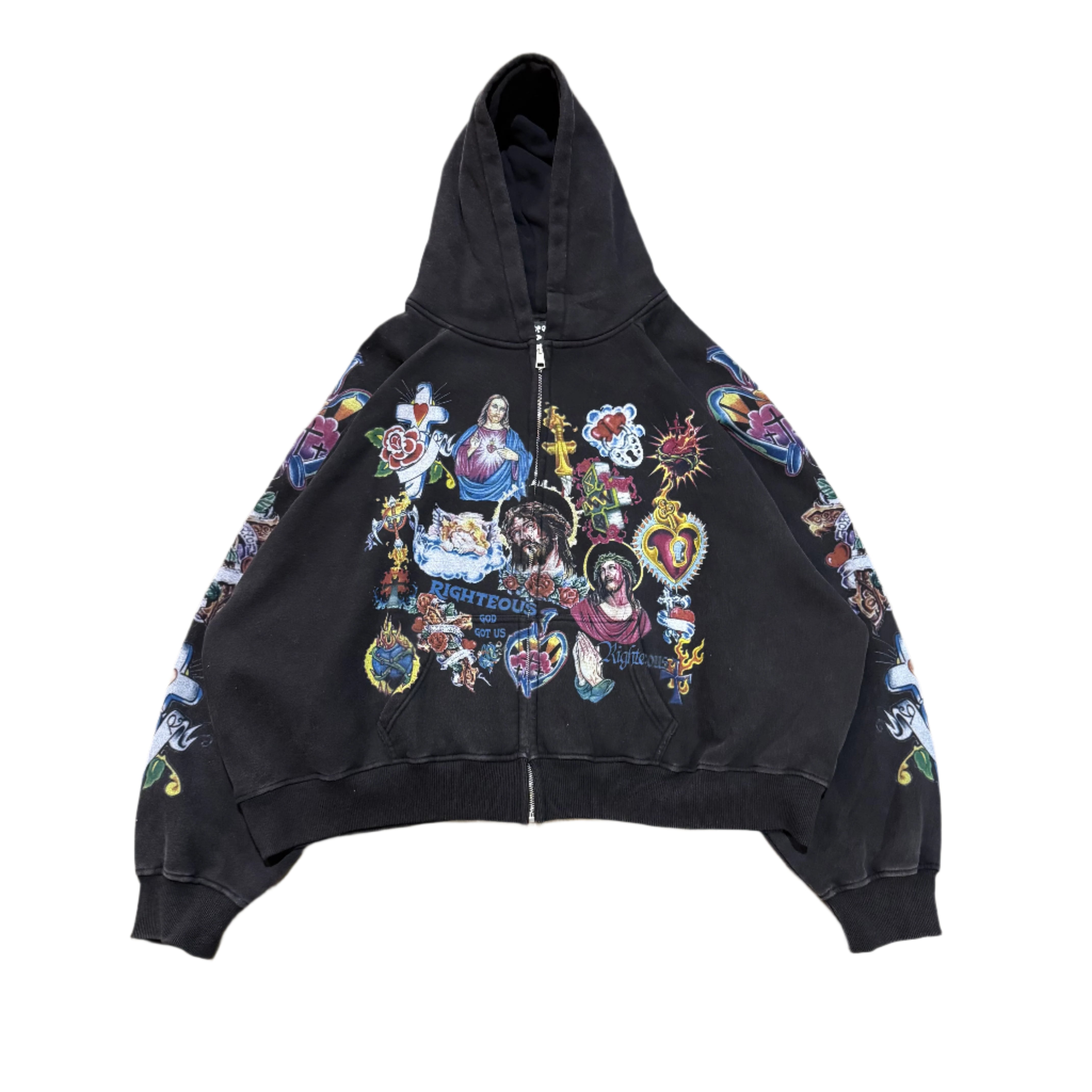
Virtually every streetwear label at some point has to land on a signature piece, and for We Are Righteous, this cornerstone piece ended up being the hoodie. A righteous hoodie is now among the most sought-after and re-stocked pieces in the lineup, with solid reasoning behind it: hooded pieces showcase artwork effectively, suit year-round wear, and hand a brand a surface large enough to make a visual statement without relying on add-ons.
We Are Righteous’s apparel strategy expanded gradually outward from that anchor piece. T-shirts arrived first as a budget-friendly gateway for first-time buyers, succeeded by thicker fleece garments, before outerwear followed as the lineup developed. This is a fairly standard growth pattern for streetwear labels, but the pacing matters — moving too fast into areas such as footwear or accessories before the core apparel line is trusted can weaken a emerging brand’s character. The brand’s clothing has remained rooted in its origins: hooded pullovers, tees, and fleece pieces continue to anchor of the line while new shades and silhouettes are rolled out each cycle.
Consistency of fit is another area where the brand has had to develop. Early streetwear startups commonly run into trouble with measurements that fluctuate between drops because they rely on several manufacturers or revising templates regularly. Part of the brand’s evolution into a “staple” label, rather than a passing trend, has been narrowing that inconsistency so repeat shoppers know roughly what to expect from one release to the next.
What Feedback Really Reveals
Search volume tied to “righteous review” and “we are righteous review” has grown alongside the label’s public recognition, which is common once a label shifts from obscure to well-known. Reviews of indie streetwear brands tend to cluster around three themes: material weight, longevity of the print, and sizing accuracy. Shoppers researching We Are Righteous specifically want to know whether the clothing earn their asking price compared to both budget fast-fashion staples and high-end streetwear labels.
Customer feedback trends in this space tend to follow a predictable pattern — denser fleece earns compliments, thin or overly stretchy cotton gets criticized, and the durability of screen prints is measured by cracking or fading through repeated washing. Labels that make it past their early years and cultivate a devoted returning audience are usually the ones that tackle these particular issues fast rather than overlooking them. That responsiveness is part of what separates a “review-worthy” label from one that fades after a single hype cycle.
Something else worth mentioning is that review sentiment evolves as a brand matures. Early reviews tend to focus on novelty and design — is the graphic well done, is the drop exciting. Later reviews, once a brand has been around longer, shift toward durability and consistency — does the hoodie hold up after a year of use, does the sizing still align with what was promised the first time around. Put differently, the blend of these two kinds of feedback points to We Are Righteous having progressed past the “new brand” phase toward something more established.
Weighing It Alongside Competing Urban-Wear Labels: A Breakdown
Positioning matters in streetwear, where dozens of brands compete for the same customer attention with similar silhouettes. The table below breaks down general category positioning — not exact pricing, since that varies by drop and retailer, but the structural differences that typically separate an independent label like We Are Righteous from mass-market and ultra-premium alternatives.
| Breakdown Area | Fast-Fashion Basics | We Are Righteous | High-End Streetwear Labels |
|---|---|---|---|
| How pieces are made | High-volume, constantly restocked supply | Scarce, structured around scheduled drops | Limited, frequently built on partnerships |
| Core brand positioning | Bare-bones, reactive to what’s popular | Message-driven, reliable point of view | Led by creative vision, design-as-art approach |
| Signature piece category | Plain t-shirts | Fleece pieces and hoodies | Rotates seasonally |
| Fan interaction level | Barely present | On the rise, built around DTC connection | Strong, though access is restricted |
| Availability level | Very accessible | Middling | Low |
This positioning is specifically why comparisons matter for buyers doing research before they buy. A label that occupies the in-between space — more thoughtful than disposable fashion, more attainable than premium designer streetwear — must build shopper confidence through reliability rather than exclusivity by itself. We Are Righteous has built that space for itself, and holding that ground over time is more demanding because it calls for both strong products and consistent messaging simultaneously.
Assessing the House Ahead of 2026
By 2026, the streetwear space has turned far more packed than it was five years before, with networking platforms making it easier than ever for an emerging brand to debut and harder than ever for a label to rise above the noise past its first year. Trust, not novelty, is now the real battleground for labels that have survived this long, including We Are Righteous: loyal shoppers who are familiar with the fit, the fabric weight, and what the brand stands for well enough to buy without needing convincing each time.
This shift redefines what “growth” represents for the brand going forward. Instead of following every fleeting fashion wave, the more durable path is polishing what already succeeds: strengthening the hoodie line, tightening size consistency, and building out apparel that works cohesively with the current lineup rather than releasing unrelated one-off items. At this point, losing focus can cost the very consistency that brands depended on to build their following originally.
There’s also a community dimension that matters more now than it did during the brand’s earliest seasons. Streetwear customers in 2026 look for more direct interaction — an inside look on drops, forthright communication about restocks, and a sense that the brand’s message isn’t just marketing copy but something the company actually operates by. The real measure of staying power, for a label grounded in the notion that “righteous” means something beyond a title, is whether message and practice align.
What originated as a small, mission-driven startup has, across several seasons, built the kind of standing that lets it be spoken of as a genuine streetwear staple rather than a temporary name. The hoodie remains the cornerstone, the identity remains steady, and the reviews — whether early buzz-fueled ones and subsequent durability-focused ones — tell a consistent story of a brand that has grown deliberately rather than accidentally. That’s a harder thing to achieve than a single viral drop, and it’s the reason We Are Righteous keeps coming up in conversations about which independent labels are truly built to last.