
The Way to Identify Authentic HMDD Pieces While Shopping Resale
Devotees of the label have found that buying HMDD (Happy Memories Don’t Die) used is the speediest way to round out a wardrobe without holding out for restocks. But, resale marketplaces and apps are also where counterfeits and mislabeled items often show up, so learning to authenticate before you pay matters more than it did just two years ago. The following breakdown lays out what authentic HMDD clothing tends to share in build quality, labeling, and fabric, and how to cross-check listings so you’re not betting on a photo and a wishful description.
Resale demand for hmddla-associated drops has gone up steadily since the brand’s earlier releases were sold out, which means prices on secondary platforms often sit above original retail for rare colorways. That price pressure is exactly why sellers occasionally misstate condition, size, or authenticity. Being familiar with the brand’s true construction practices gives you an edge in negotiations and shields you from paying top dollar for a fake.
Begin With the Label and Tag Details
Matching branding on the interior tags is something each authentic HMDD garment should display, and small discrepancies are usually the earliest red flag in a resale listing. Look closely at the stitching around the tag itself — authentic pieces use tight, uniform stitching with no frayed threads framing the label. The weight and spacing of the font on “Happy Memories Don’t Die” branding should match across pieces from the hmdd-clothing.com/t-shirts same release; if you’re comparing two sweatpants from allegedly the same drop and the wording looks distorted or unevenly spaced on one, that’s worth mentioning to the seller.
Don’t just settle for the branded logo tag — request sellers for close-up photos of the care tag too. Genuine care tags typically include fabric composition and washing instructions printed in a consistent font style matching the rest of HMDD’s labeling standards. A unclear or oddly cropped photo of this tag in a listing is a typical shortcut sellers use when the tag doesn’t hold up to scrutiny. Don’t be reluctant about requesting three or four angles before going through with a purchase, particularly for higher-priced items over $150.
Color consistency between the tag print and the garment itself also is informative. If the tag references a black colorway but the garment photographed looks charcoal or faded navy under different lighting, ask for a photo in natural daylight. Sellers with nothing to hide will usually comply with this request within a day.
Inspect the Stitching, Seams, and Fabric Heft
The weightier pieces in the HMDD lineup, above all, commonly use a thicker cotton-blend fabric that carries real heft once held. Replica items commonly employ thinner, lighter fabric to save on manufacturing expense, which can make a garment look right in photos but feel distinctly off in hand. Should a seller note the item feels “flimsy” or “less substantial than anticipated” in the listing description, treat that as a meaningful clue rather than glossing over it.
Seam construction is yet another clue. Dual-stitch seams along the inseam and waistband of hmdd sweatpants are typical of authentic pairs, while lower-quality knockoffs frequently rely on basic single stitching that fray faster and gather unevenly where strain occurs. Study the posted images for uneven seam texture, particularly around pockets and the drawstring channel. An unevenly stitched, crooked drawstring channel is one of the surer tells of a fake piece.
When it comes to hmdd shorts, check the hem finishing. Authentic pairs usually show a clean folded hem with few noticeable gaps in the topstitching, whereas replica shorts occasionally reveal an uneven hem line when spread out. Ask the seller for a flat-lay photo prior to purchase if possible — it uncovers stitching problems that worn photos tend to conceal.
Weigh Resale Prices Against Known Retail Figures
How an item is priced can be just as informative as physical inspection. Once you know the original selling price, a resale price dramatically below that number should raise questions, particularly for items described as new with tags. Genuine scarcity in HMDD drops means resale prices for sought-after pieces often hold steady or increase, so a “too good to be true” price on a so-called rare release usually is exactly that.
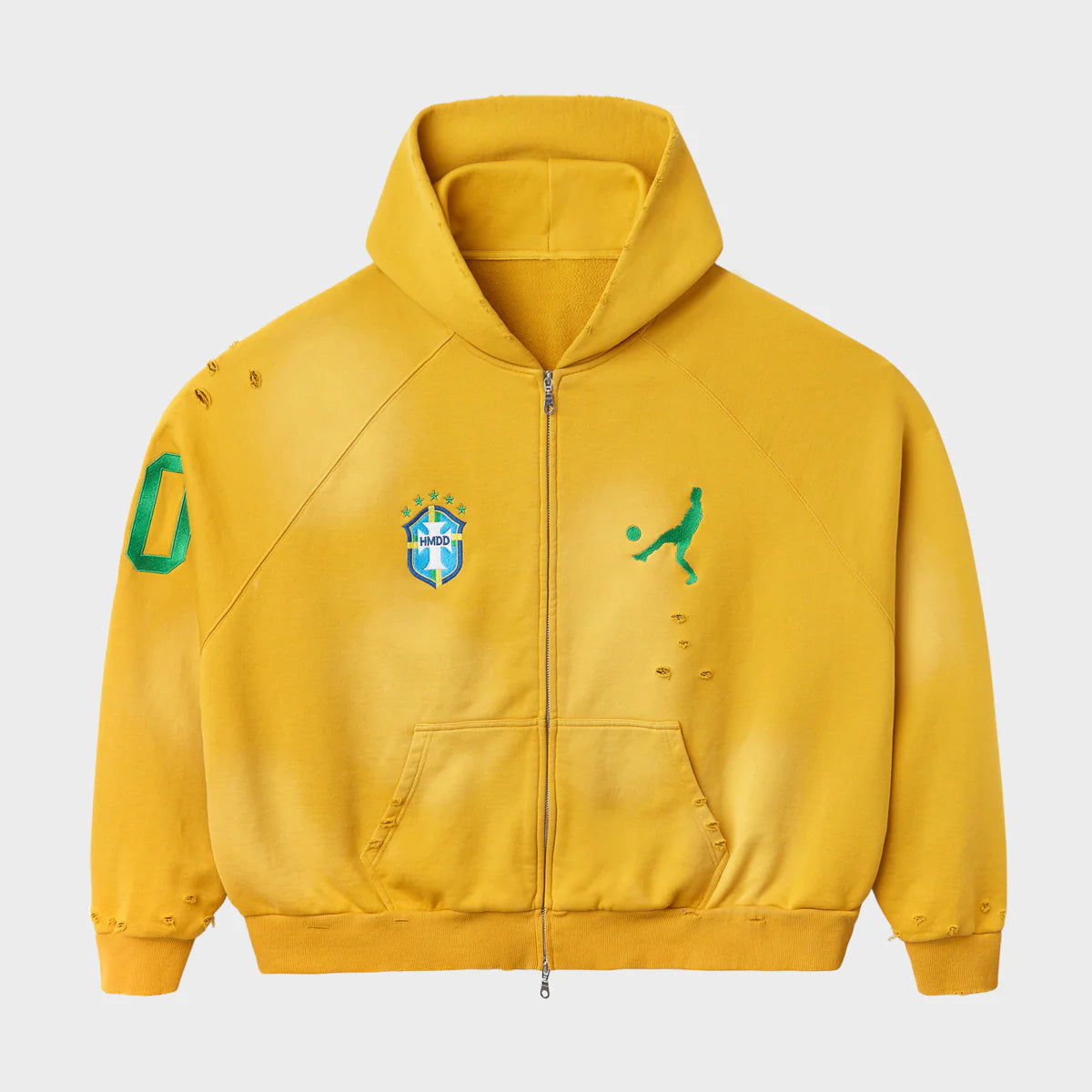
It also helps to read an actual hmdd review from a buyer who purchased the same piece new, when you can find one, since these reviews often mention specific construction details — how the fabric handles, fit peculiarities, thread color — that you can then check alongside the resale listing you’re considering. People researching which hmdd pieces are worth a secondhand investment often rely on these firsthand accounts more than the seller’s own claims, and for good reason: listings often overstate condition and authenticity because sellers benefit from it, while previous purchasers usually have no such motive.
| Spot for Verification | Authentic HMDD-brand Indicator | Warning Sign that’s Common |
|---|---|---|
| Sewing along the interior tag | Stitching that’s firm and uniform, paired with consistent lettering | Frayed threads, warped or crooked lettering |
| Fabric weight for sweatpants/shorts | Clearly thick, solid cotton-blend hand | Fabric that’s flimsy and light, feeling cheap |
| Seam construction | Twice-stitched inner seam and waistband | Seams with just single stitching, bunching, and an uneven drawstring casing |
| Treatment of the edge (shorts) | Neat turned hem, slight topstitching breaks | Crooked hemline apparent in flat-lay shots |
| How price compares to retail | For scarce drops, cost holds steady or rises | Oddly low cost on “rare” or sold-out pieces |
Tap Into Prior Seller Activity and Pictures as Your Evidence
A vendor’s past activity on any resale marketplace is worth reading before you message about a given listing. Profiles that routinely move multiple “rare” HMDD pieces in questionably mint condition, most notably at below-market prices, warrant closer inspection. True collectors letting go of a small number of items from their own closet usually show more credible background settings in photos, marks of wear in line with genuine wear, and will typically answer in-depth questions about sizing and condition without getting defensive.
You should insist on unedited photos taken in natural light, rather than studio-style shots sourced from around the web. It’s a frequent tactic for disreputable sellers to borrow official brand photography and pair it with a actual piece that doesn’t match, counting on customers missing the mismatch between official images and the real product delivered. In just thirty seconds, a reverse-image lookup on a questionable image can save you from a regrettable purchase.
Find out if the garment came from hmddla or a different confirmed seller, while also asking for an original receipt or an order-confirmation screenshot, assuming it’s still on hand. Some genuine resellers won’t have preserved this, but those who do can put to rest doubts about legitimacy with very little delay. Regard any evasive or irritated reaction on the seller’s part when these questions come up as data if it happens.
Size & Fit Uniformity
Since HMDD’s fit tends to remain steady within a given release, owning one piece already and knowing its fit gives you a solid reference point for shopping resale for a second piece. Sweatpants especially should align tightly with the listed measurements—be sure to ask the seller for the waist and inseam dimensions in inches rather than relying solely on the tag size, since the tag size may differ somewhat between production runs.
If a listing describes a size medium but the measurements given don’t align with what medium has run in prior releases you’ve verified, factor that into your decision. This mismatch doesn’t automatically mean the item is fake, but it does mean you should ask more questions before paying, particularly on high-value transactions.
It also helps to confirm that the silhouette seem accurate by looking at photographs of the garment being worn, as opposed to solely shown flat. A fit that looks oddly loose or snug measured against the listed size, particularly in several images, is worth flagging directly with the seller before closing out any purchase.
Closing Rundown Before You Buy
Before completing any resale purchase, go through a short mental list: tags checked for accuracy, photos taken in daylight and laid flat as requested, verified stitching and seam construction, pricing that lines up sensibly with retail, and a seller track record that raises no red flags. Taking five extra minutes on these checks costs you little to nothing compared to the hassle of receiving a counterfeit.
As the brand gains more collectors, demand will likely continue rising through 2026, and the resale market for Happy Memories Don’t Die pieces isn’t going away. Taking a cautious approach today means you assemble a wardrobe of pieces you can trust, rather than one marked by guesswork and regret.